Science teachers often appreciate gifts that support curiosity, classroom routines, or a little downtime after lessons. These nine ideas include hands-on science and STEM activities alongside useful everyday items.
Consider the recipient’s teaching style, the ages they work with, and whether a practical classroom tool or a gift for home would suit them best.
9 Gift Ideas for Science Teachers
Glocusent Rechargeable Neck Reading Light

- Choose among three color temperature modes and three brightness levels.
- Adjust the flexible arms to find a comfortable angle.
- The narrow beam can focus light while being dim enough not to disturb a sleeping partner.
Best Gift For: A science teacher who enjoys reading or needs hands-free light for small repairs.

Cross Classic Century Gold-Plated Ballpoint Pen

- The pen has a slim profile and metal body.
- Its swivel-action mechanism is designed for everyday writing.
- It arrives in a gift box and can be carried in a bag or pocket.
Best Gift For: A teacher who would appreciate an enduring writing instrument for notes and journaling.
Phomemo D30 Bluetooth Label Maker with 3 Tapes
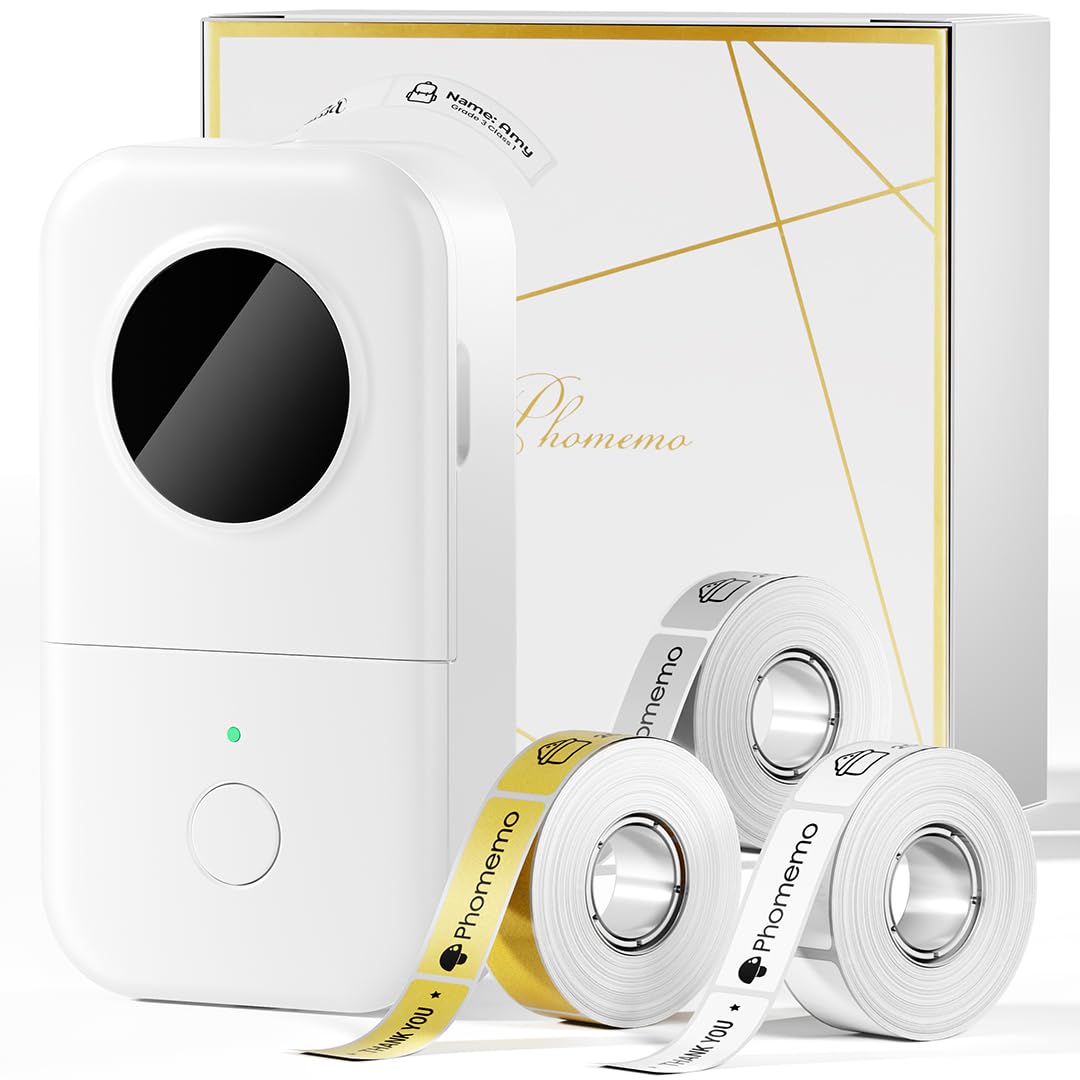
- The package includes one white, one gold, and one clear tape.
- Prints black text with direct thermal technology, without ink, toner, or ribbons.
- Create labels from a phone or tablet over Bluetooth.
Best Gift For: A teacher who wants to label classroom supplies, files, or students’ personal items.
Clever Fox Planner PRO Light Weekly & Monthly Planner

- Includes spaces for vision setting and goals across different areas of life.
- The undated layout can be started at any time of year.
- Comes with a quick-start guide and planning stickers.
Best Gift For: A teacher who likes setting goals and organizing upcoming weeks and months.
Light-Up Crystal Growing Kit for Kids, Ages 8–12

- The kit includes red, blue, and clear crystal powders with growing cups and starters.
- A 12-page illustrated guide explains how crystals form.
- Display finished crystals on the included LED light-up base.
Best Gift For: A science teacher choosing a hands-on crystal activity for a child who enjoys experiments.
Educational Insights GeoSafari My First Microscope
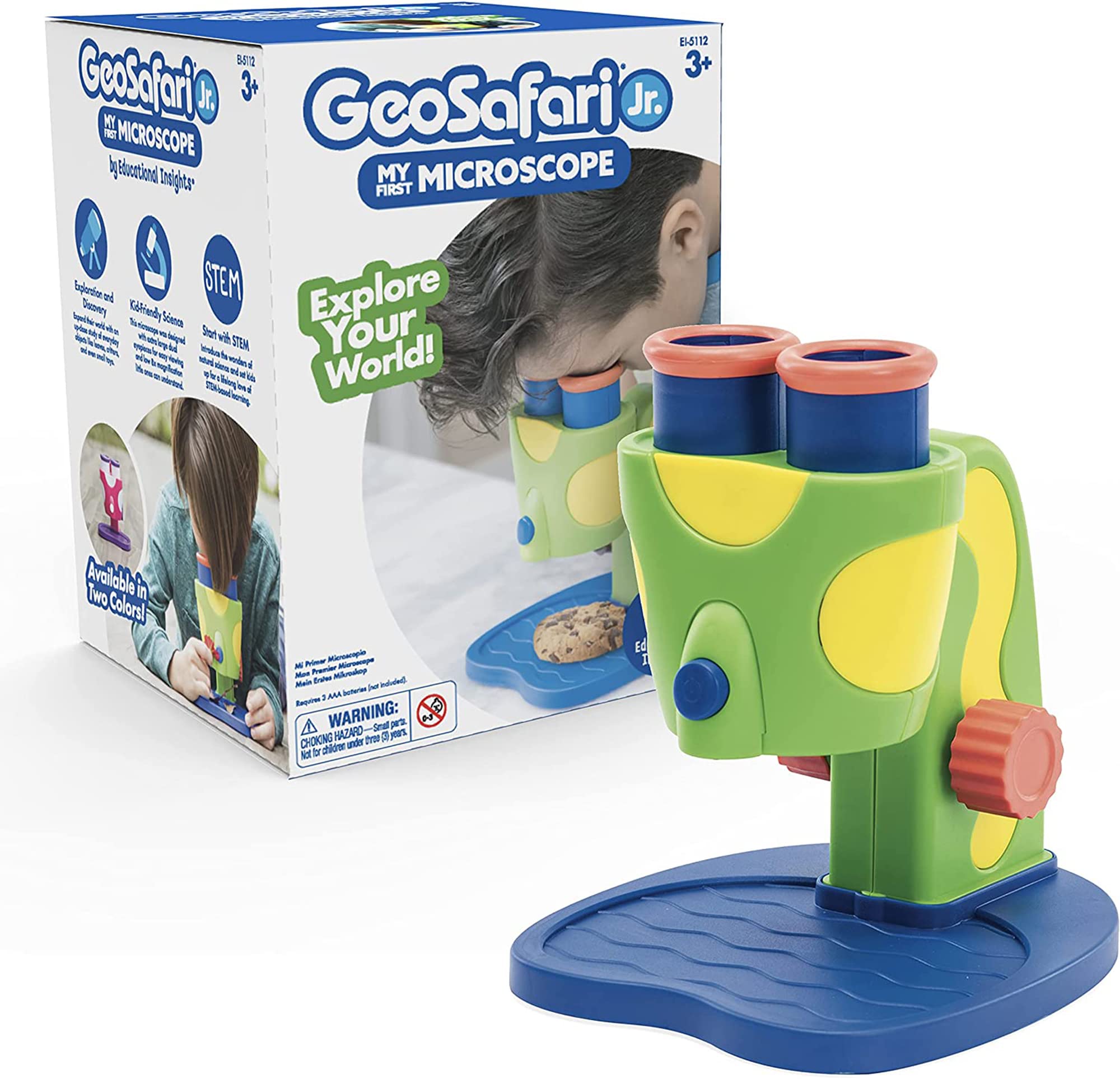
- The microscope has two large eyepieces and a kid-sized focusing knob.
- Includes an overhead LED light and a sample tray.
- Twelve prepared slides are included; three AAA batteries are required but not included.
Best Gift For: A teacher who wants to encourage a young child’s curiosity about science.
SmartMax My First Farm Tractor Magnetic Building Set
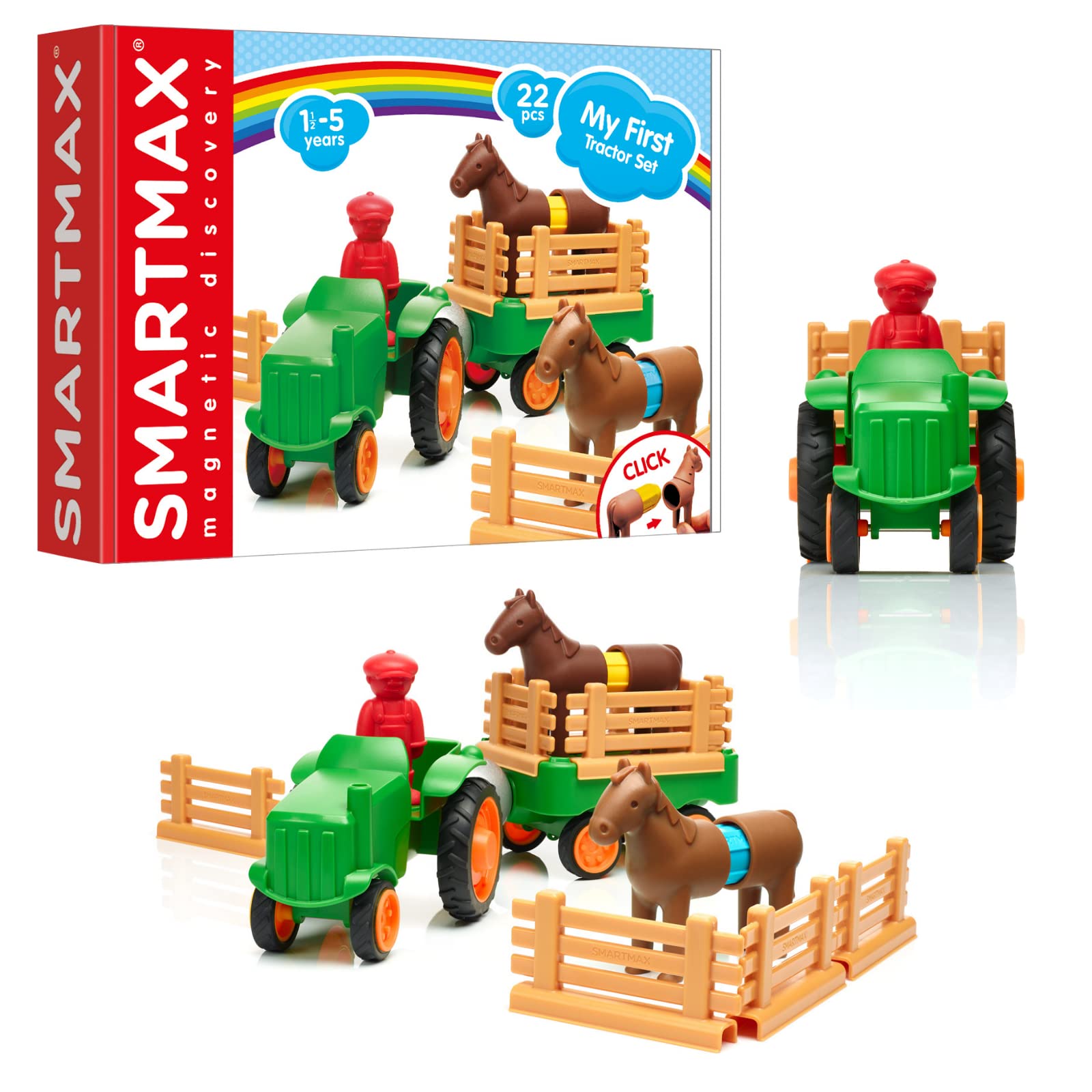
- Children can build a tractor using colorful magnetic pieces.
- The set includes 18 colorful pieces.
- SmartMax sets can be combined with other sets.
Best Gift For: A teacher gifting an early STEM activity to a young child interested in building.
burgkidz Building Blocks Set with Storage Box
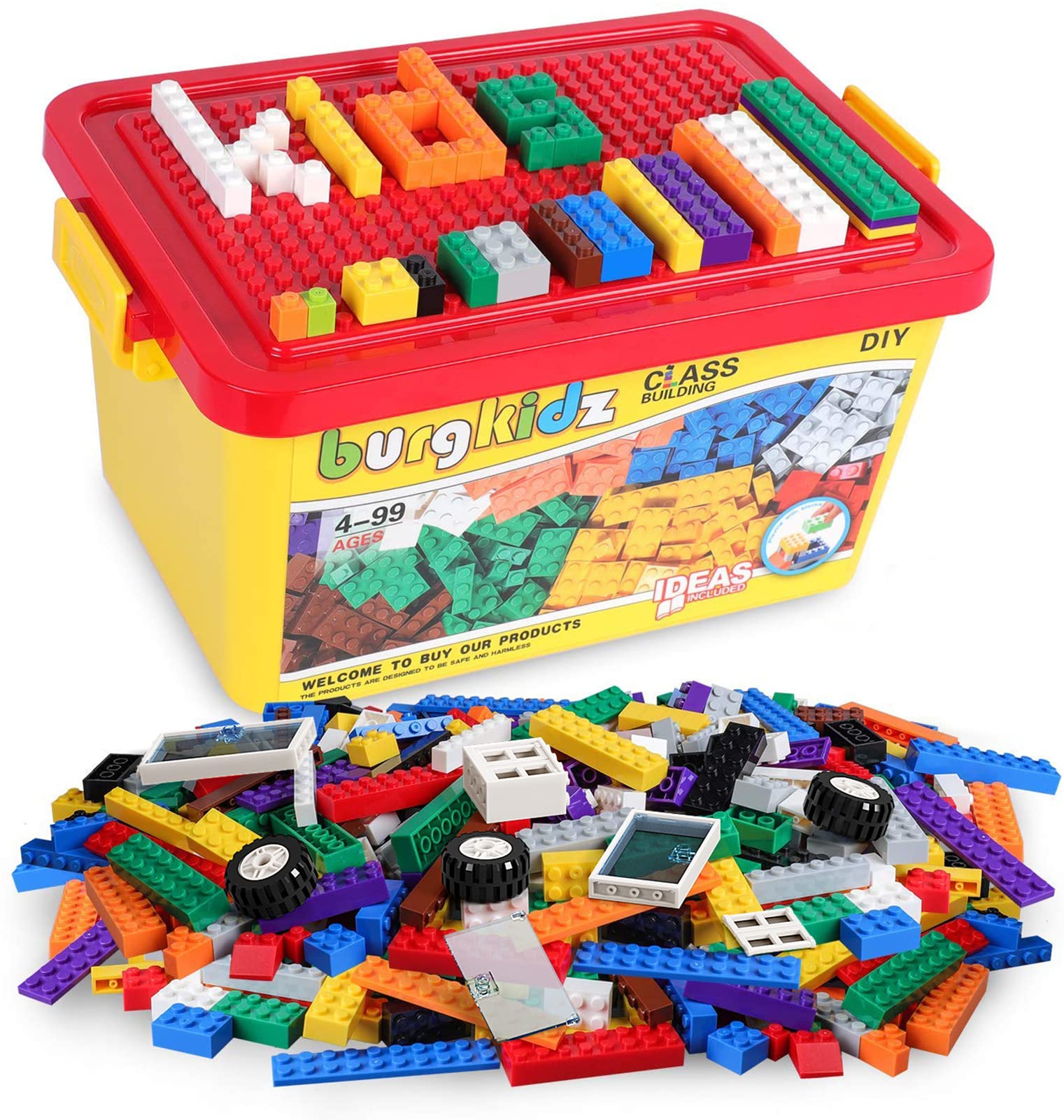
- The 568-piece set stores in a box with a lid that doubles as a building baseplate.
- The bricks work with major building brands.
- The set is designed for toddlers aged three and up.
Best Gift For: A teacher looking for a creative building gift for a child aged three or older.
Learning Resources Minute Math Electronic Flash Card

- Practice addition, subtraction, multiplication, and division.
- One-minute challenges add a timed practice format.
- A silent mode option supports quiet practice in class or elsewhere.
Best Gift For: A teacher who wants a portable tool for students practicing math facts.
1. Choose gifts for science teachers around their classroom and interests
When choosing gifts for science teachers, start with what the person actually enjoys and uses. Some may welcome an activity they can share with a curious child; others may prefer a planning aid, a quality pen, or something that makes everyday classroom tasks easier.
Think about the age group they teach and the kind of science they bring to life. A tactile building activity or beginner microscope may suit someone who enjoys early STEM learning, while a crystal-growing activity offers a specific experiment to explore together.
A practical present can be thoughtful when it fits the recipient’s routine. A label maker may appeal to someone who organizes supplies and files, while a planner or reading light is more personal and useful beyond the classroom.
If uncertain, choose the gift that feels easiest to enjoy without extra setup.
2. Balance usefulness, play, and budget
Set a comfortable budget before browsing and decide whether you’re shopping for the teacher alone or for a family activity they can share. A small classroom-oriented present can feel complete with a handwritten note; a larger gift may make sense when several colleagues or families contribute together.
The options here span modest practical gestures and more substantial gifts. Focus on the role the item will play: a math practice tool may support a learning station, while a hands-on activity is more suited to a child’s free time.
Actual prices can change, so check them before buying.
Avoid paying for features the recipient is unlikely to use. Consider whether they already have similar supplies, whether an activity matches a child’s age, and whether any necessary accessories are included.
Checking those details helps a thoughtful gift feel ready to use rather than like another task.
3. Personalize gifts for science teachers with a note and presentation
For gifts for science teachers, a brief personal note can connect the present to a specific moment: a lesson that sparked curiosity, a patient explanation, or the care they bring to students. Keep the message warm and specific, without turning appreciation into a formal evaluation.
Presentation can reflect the recipient’s subject without adding clutter. Use a simple science-themed card, a small paper wrap in their favorite color, or a note from students describing what they enjoyed learning.
For a family activity, address the gift to both the teacher and the young explorer who may use it.
If you’re giving a classroom item, consider whether it will be opened in front of colleagues or students. Choose neat, easy-to-carry packaging and include a short note explaining why you thought it suited them.
Personal details make even a practical tool feel chosen for a person rather than for a job title.
4. Match the gift to the teaching situation
Consider whether the recipient teaches in a classroom, works with students one-on-one, or is a family member who teaches and enjoys science activities at home. A portable practice tool may fit a learning station, while a microscope or building set is more naturally an at-home activity for a child.
For shared spaces, compact and easy-to-store gifts can be more welcome than bulky additions. For home use, think about cleanup, storage, and whether the recipient has room for another activity kit.
A gift that fits the setting is more likely to find a place in someone’s routine.
You can also ask a colleague or family member what would be useful, especially if you’re unsure whether a teacher already owns a particular classroom tool. A little context can prevent duplication and help you choose something that feels personal without assuming every science teacher has the same needs.
5. Check details before a last-minute purchase
For a last-minute gift, choose an item whose purpose is easy to understand and whose suitability you can confirm quickly. Check current product details, age guidance, dimensions, compatibility, and whether required accessories are included.
Those checks matter especially for electronic tools and activities intended for children.
If timing matters, review the delivery estimate at checkout and leave room for delays. For a local handoff, a card or small wrap can make a practical gift feel finished even when the item arrives close to the occasion.
Avoid relying on assumed delivery dates or availability.
When you can’t confirm fit or timing, a handwritten appreciation note paired with a modest, easy-to-use present is a thoughtful fallback. Keep the recipient’s preferences in mind, and make sure the gift can be opened and understood without a long explanation.