Learning can happen through play, a new hobby, or a quiet moment with a book. These ten gift ideas span curious kids, students, and adults who enjoy building knowledge in different ways.
The selection includes hands-on activities, study aids, and practical companions for reading and note-taking, so you can match a gift to the recipient’s interests and routines.
10 Gift Ideas for People Who Love Learning
Rich Dad CASHFLOW Educational Finance Board Game
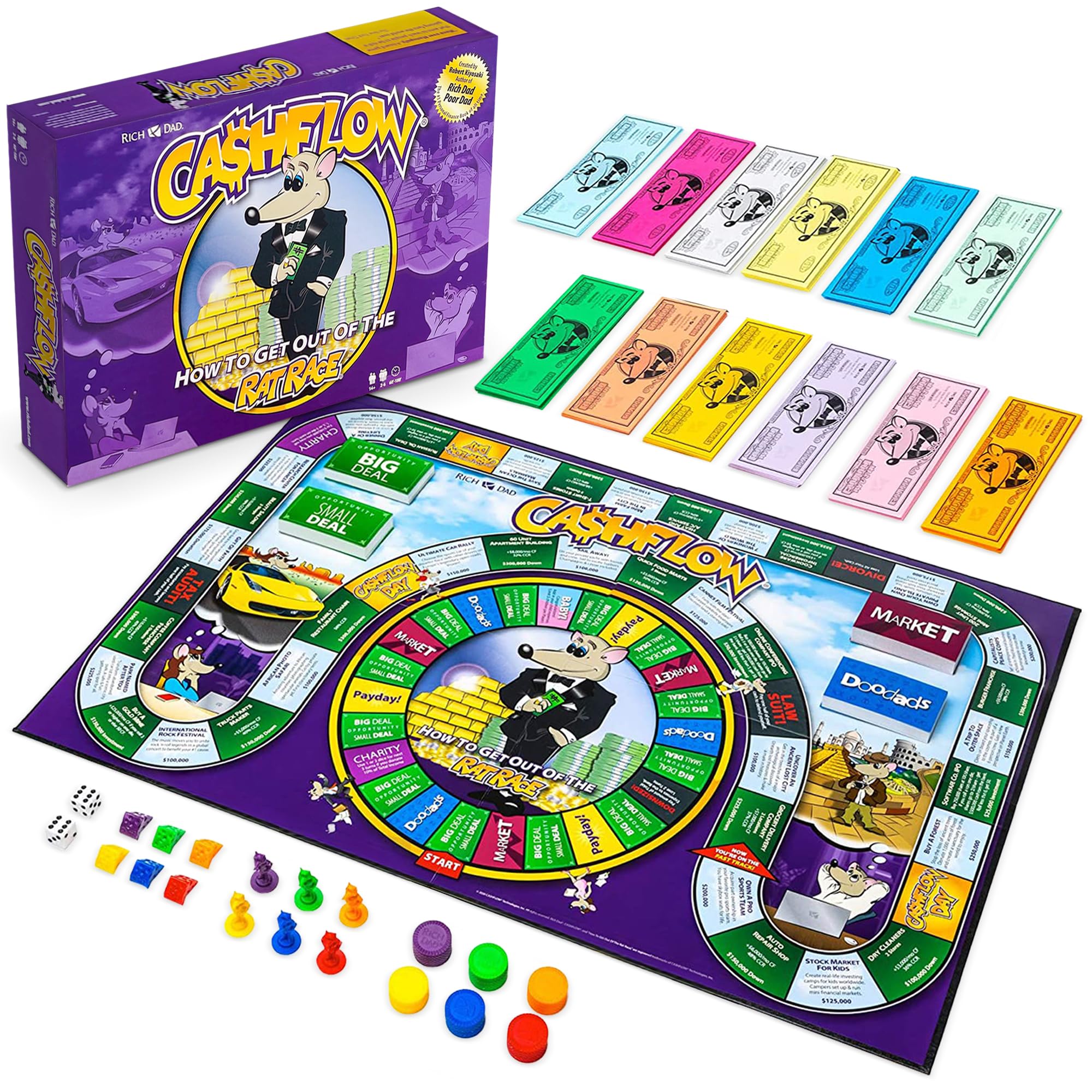
- Turns topics like stocks and saving money into a board game activity.
- Explores investing and business building in a collaborative family setting.
- Designed for players ages 14 and up.
Best Gift For: Families and older teens who enjoy learning about money together.

Light-up Crystal Growing Kit for Kids

- Grow red, blue, and clear crystals, then display them with light.
- The kit includes an illustrated guide to crystal formation.
- Includes a USB-powered LED display and three growing cups.
Best Gift For: Children who enjoy hands-on science activities and watching crystals form.
TOMLOV DM9B 7-inch Digital Microscope, 1200X, 16GB
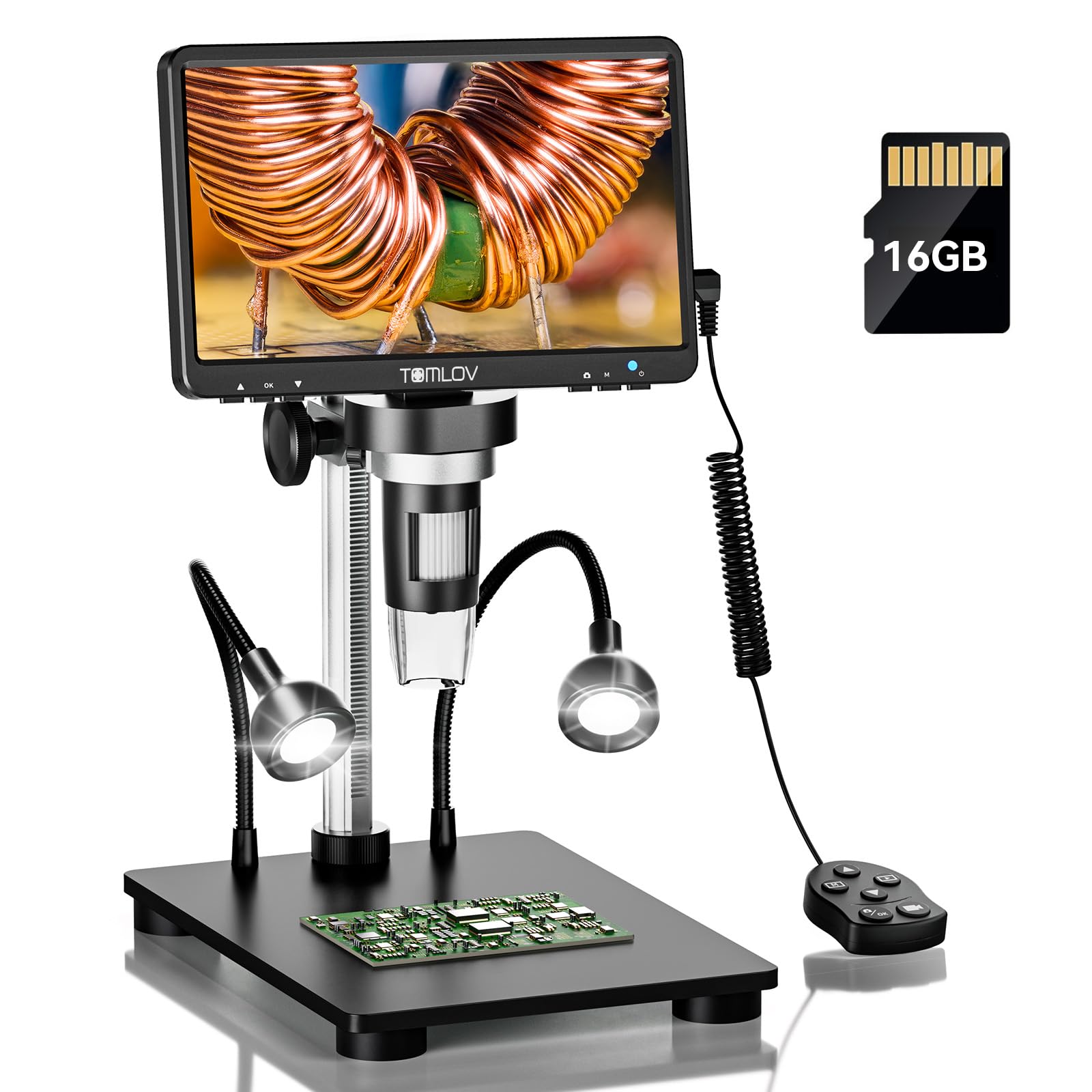
- A rotatable screen shows microscope images and video in 1080P.
- Magnification ranges from 5X to 1200X.
- Connects to compatible Windows or macOS computers for PC viewing.
Best Gift For: Adults and students curious about coins, rocks, stamps, or small details.
SmartMax My First Dinosaurs STEM Magnetic Building Set
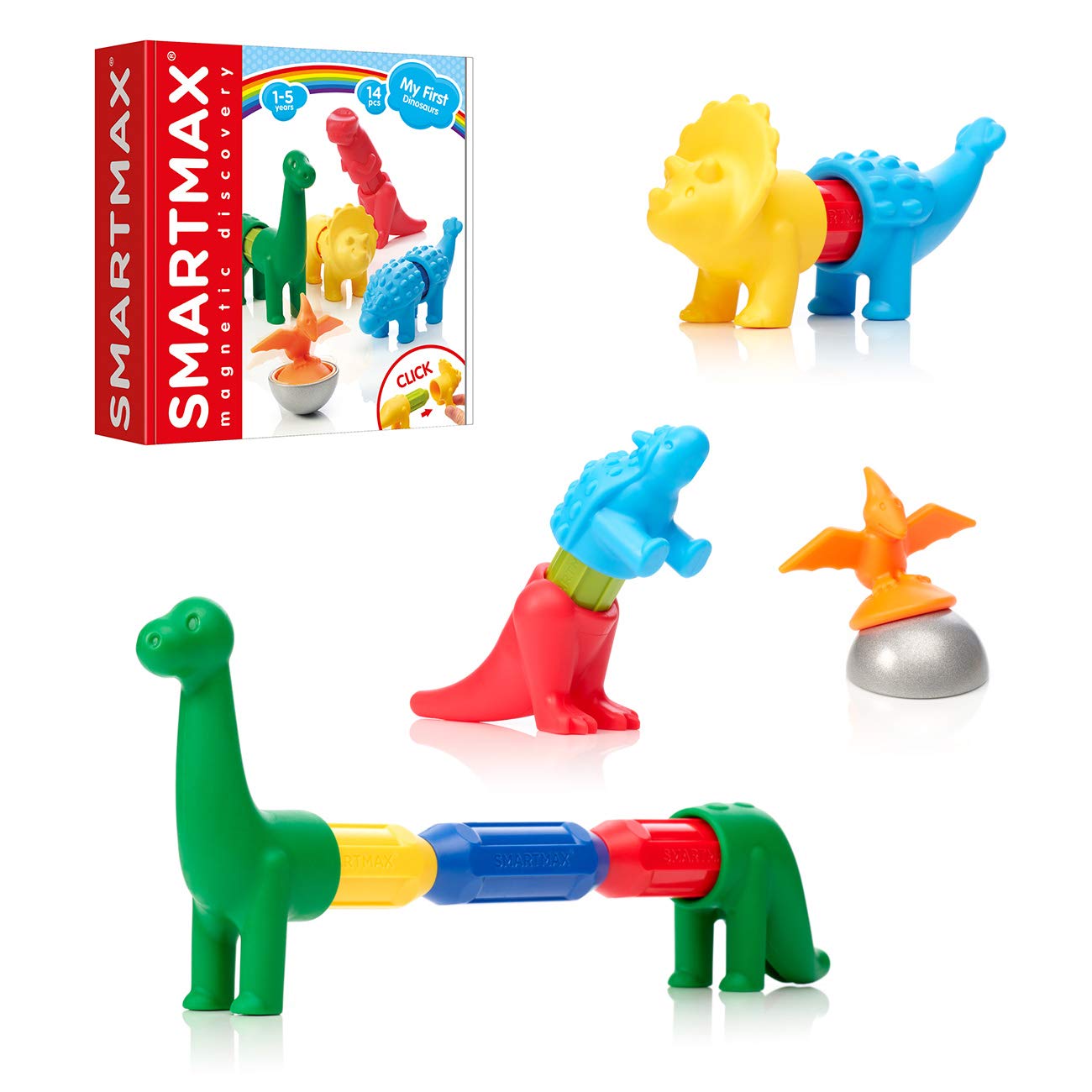
- Build or mix and match dinosaur creations.
- Magnetic pieces introduce early magnetism and problem-solving.
- The set includes 18 colorful pieces.
Best Gift For: Young children who enjoy dinosaurs, building, and early STEM play.
Learning Resources 1-2-3 Build It Robot Factory

- Children can craft their own robot creations.
- Easy-to-handle pieces support fine motor practice.
- Works with other 1-2-3 Build It! sets.
Best Gift For: Toddlers who like making robot creations and building early engineering skills.
Learning Resources Minute Math Electronic Flash Card

- Practices addition, subtraction, multiplication, and division.
- One-minute challenges make practice a timed game.
- Silent mode suits quiet practice in shared spaces.
Best Gift For: Learners who want short math practice at home, in class, or while traveling.
Phomemo D30 Bluetooth Mini Label Maker with 3 Tapes
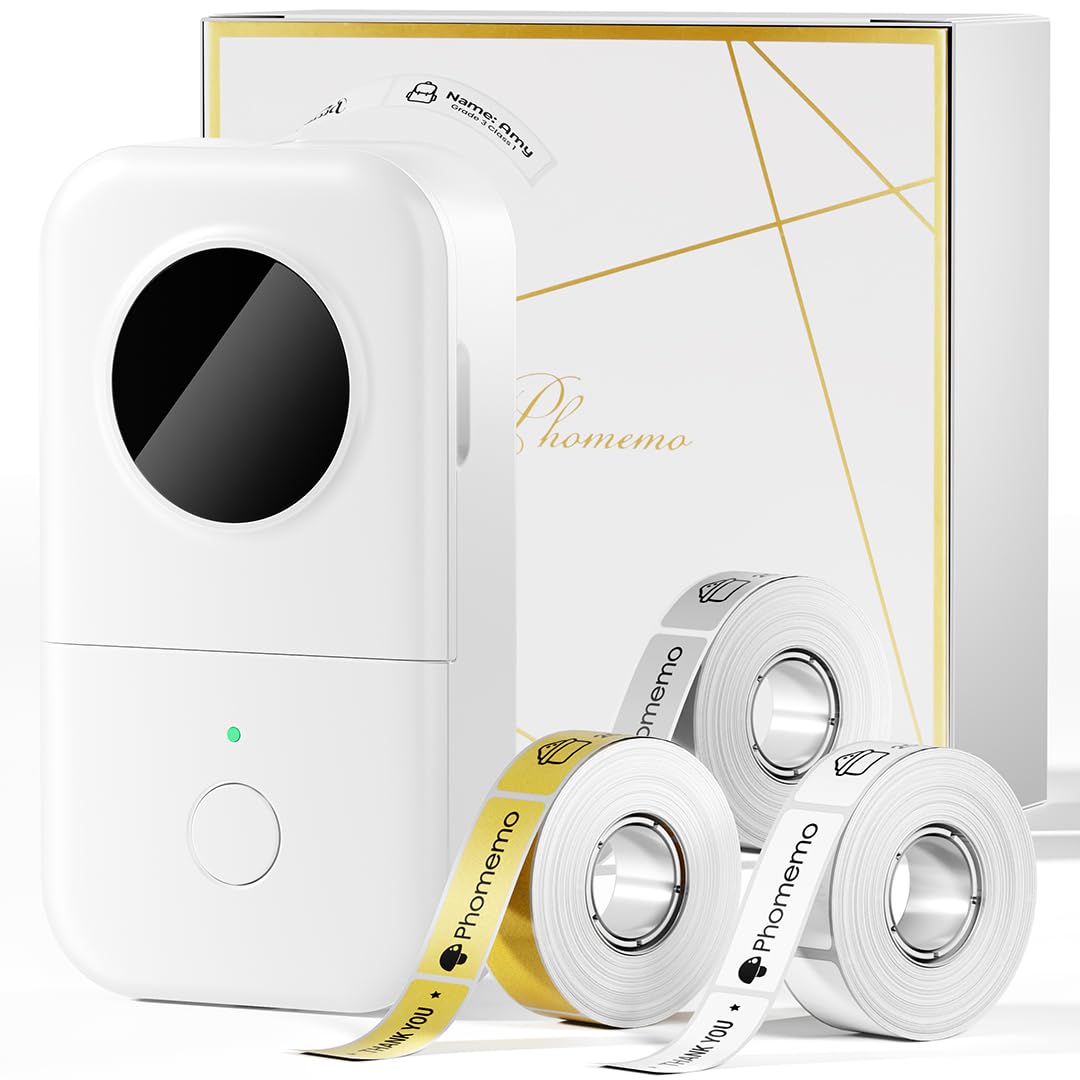
- Comes with white, gold, and clear tapes.
- Prints black text using direct thermal technology without ink, toner, or ribbons.
- Connects wirelessly to mobile devices through Bluetooth.
Best Gift For: Students and organizers who like labeling study materials and personal items.
Whitelines Graph Ruled Notebooks, 3-Pack

- Three spiral notebooks use graph paper.
- The app removes the paper background from captured notes or drawings.
- Light gray paper is intended to be less tiring on the eyes than white paper.
Best Gift For: Students and lifelong learners who take notes or sketch ideas by hand.
Glocusent Rechargeable Neck Reading Light

- Offers three color modes and six brightness settings.
- Adjustable arms let the reader choose a comfortable angle.
- Rechargeable light offers up to 80 hours for general reading with one head.
Best Gift For: Book lovers who enjoy hands-free reading, including while winding down in bed.
Cross Classic Century 23KT Gold-Plated Ballpoint Pen

- The pen has a slim profile and swivel-action mechanism.
- It is refillable for continued use.
- Arrives in a gift box.
Best Gift For: Learners who enjoy journaling, note-taking, or everyday writing with a gift-ready pen.
1. Match Gifts for People Who Love Learning to the Learner
When choosing gifts for people who love learning, start with what the recipient already reaches for. A child who likes building may be more excited by a hands-on construction activity, while someone who enjoys asking how things work could appreciate a project that lets them observe changes up close.
Age and independence matter as much as subject. Consider whether the learner likes working solo, wants an adult nearby, or would rather make an activity a shared family event.
A game for older players and a simple building toy serve different moments, even when both encourage curiosity.
Think about the setting where the gift will be used. A compact practice tool may suit a learner with short breaks, while a writing companion or reading light can become part of a familiar evening routine.
A good match makes it easier to return to the activity.
2. Balance Budget and Ongoing Use
Set a comfortable spending range before browsing, then think about what the gift includes and what might need to be purchased separately. A complete activity can be easier to give, while a tool with reusable or refillable parts may suit someone who expects to use it often.
For a lower-cost present, pair one useful learning item with a personal note or a small related treat. For a larger gift, consider whether it opens up an activity the recipient can revisit, share with family, or build on over time.
The intended use matters more than size or presentation.
Check actual prices before buying, since they can change. Also review the exact version, dimensions, compatibility, and any required accessories so the recipient can use the gift in their space and with the devices or materials they already have.
3. Make Gifts for People Who Love Learning Feel Personal
For gifts for people who love learning, a small personal detail can connect the present to the recipient’s current interests. A note about a favorite subject, a book they mentioned, or a question they often ask helps show why you chose this particular kind of activity or tool.
Presentation can make a practical gift feel considered. Wrap a notebook with a handwritten message, or place an activity kit in a reusable box with a simple invitation to try it together.
For a child, a card can explain that the gift is meant for a relaxed afternoon, without turning it into homework.
If you are giving to someone who likes sharing what they discover, include a blank card where they can jot a question or sketch an observation. Keep the gesture low-pressure: curiosity grows at its own pace, and the best presentation leaves room for the recipient to choose how and when to explore.
4. Choose for the Moment and the Space
Consider where the recipient will keep and use the gift. A larger learning setup may need a table and storage space, while small writing or reading tools can fit more easily into an existing routine.
If space is limited, compact items can still support thoughtful habits.
For a family present, think about who else might join in and whether the activity fits their ages and interests. A shared game can create conversation, while an individual study aid may be more useful for someone working toward a personal goal.
Ask a caregiver about preferences when buying for a young child.
A useful gift does not need to cover every subject. Choosing one interest the recipient already has can feel more inviting than trying to design a complete learning plan for them.
Let the gift offer a starting point, then give them room to take it in their own direction.
5. Plan the Purchase and Keep It Easy
For a time-sensitive gift, narrow the options early and check the current delivery estimate at checkout. Availability and timing can change, so leave room for a backup plan such as a handwritten card that explains the gift or an experience you can share later.
Before ordering, confirm the recipient’s age range and check practical details such as dimensions, device compatibility, and included components. If an item needs batteries, a cable, refills, or another accessory, make sure the recipient has what they need or add the compatible extra.
When the present arrives, keep any setup or first-use instructions together and make the opening moment relaxed. You might offer to join the recipient for the first game, activity, or reading session, then let them decide whether they want company or quiet time as they explore.