The best board games for a family depend on who is playing, how much time you have, and whether you want learning, conversation, or a focused challenge. These picks range from quick preschool activities to classic strategy sets, so match the age guidance and player count to your household.
Quick Top Products
Educational Insights The Sneaky, Snacky Squirrel Game
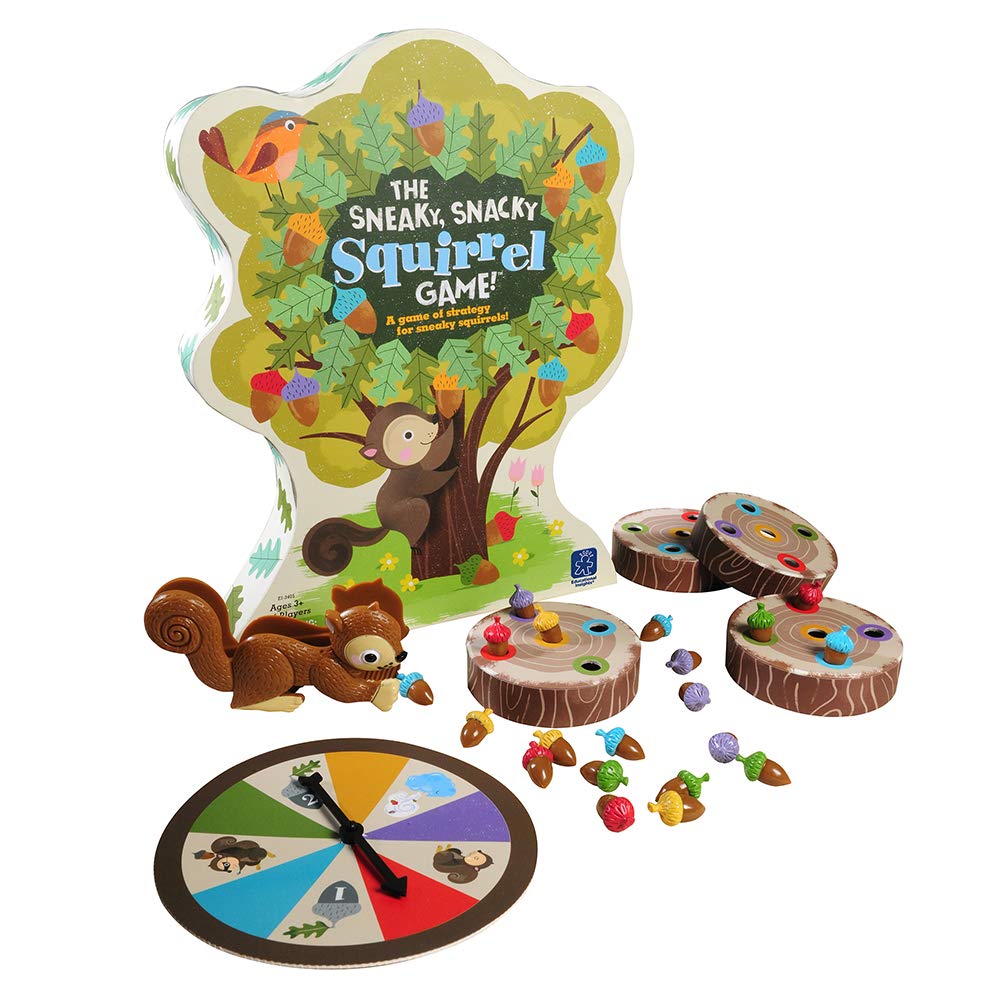
- Designed for 2–4 players ages 3 and up.
- Uses a squirrel squeezer to pick up matching acorns.
- The tree-shaped board doubles as the box for storage.
Best For: Preschoolers who enjoy color matching, simple turns, and hands-on play.

Learning Resources Sum Swamp Game
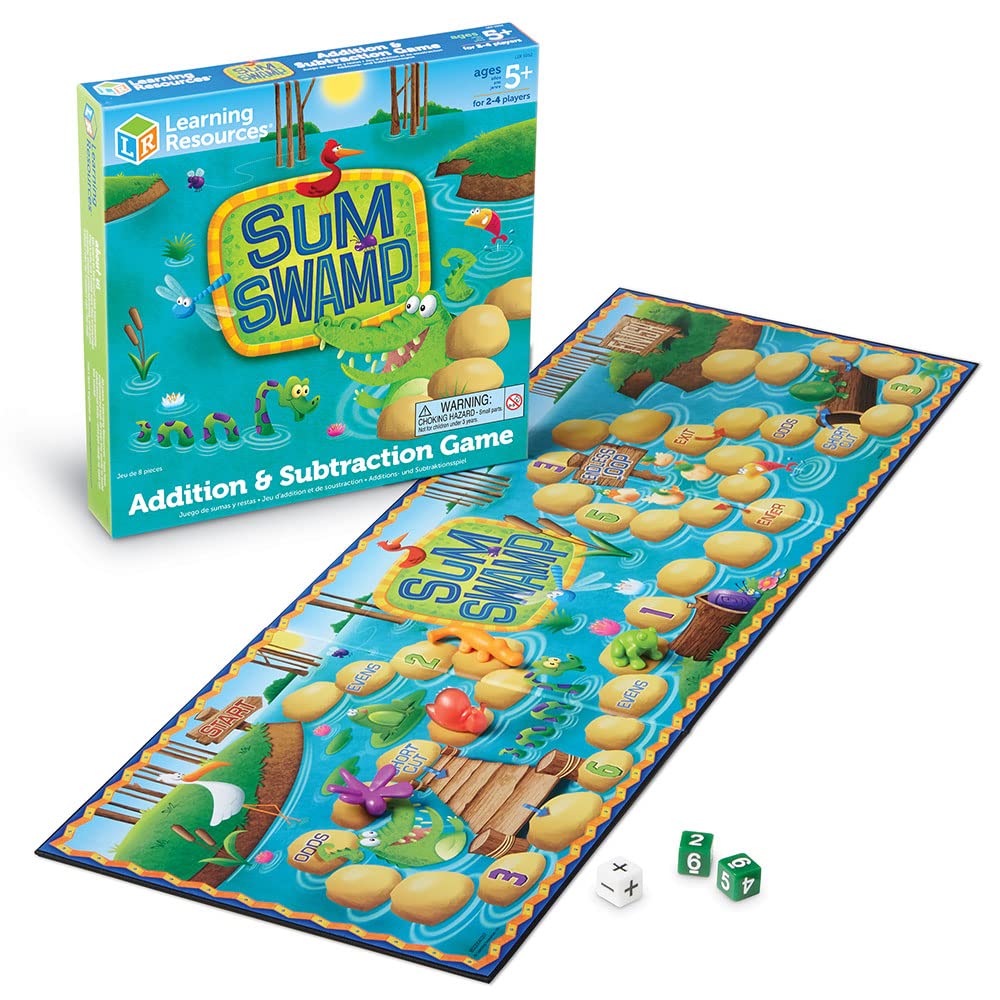
- Practices addition, subtraction, and even and odd numbers.
- Designed for kindergarten and first-grade students.
- Has a sturdy board with swamp-themed graphics and creature pieces.
Best For: Kindergarten and early elementary players who want math practice inside a board game.
Hunt A Killer: Body On The Boardwalk

- Centers on investigating a seaside amusement park employee’s death.
- Made for 1–5 players ages 14 and up.
- Designed to solve in 45–60 minutes and one sitting.
Best For: Teens and adults who want a cooperative murder mystery for a game night or gathering.
The Happy Puzzle Company The Genius Star
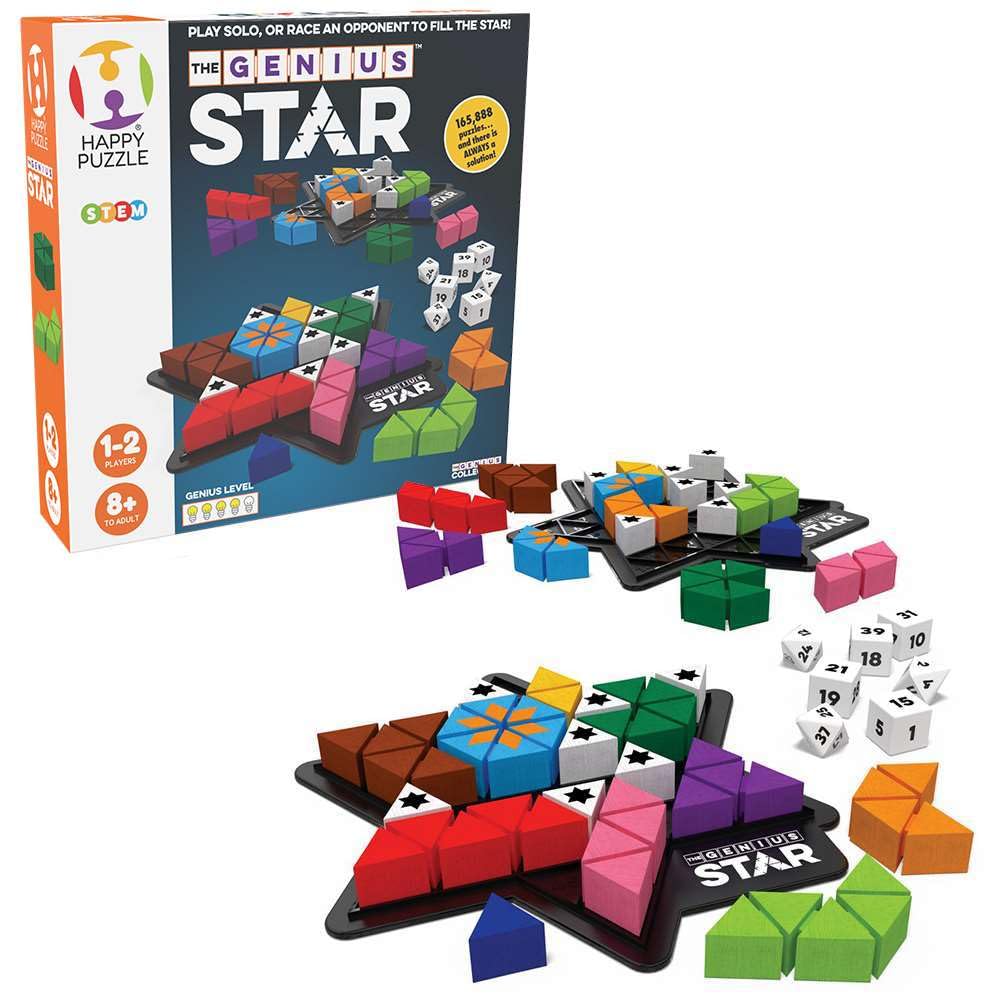
- Offers 165,888 possible puzzles.
- Supports solo play or a two-player head-to-head challenge.
- Includes two boards, 26 pieces, and seven dice.
Best For: Players ages 8 and up who like spatial puzzles alone or in a two-player race.
Kollide by Relatable
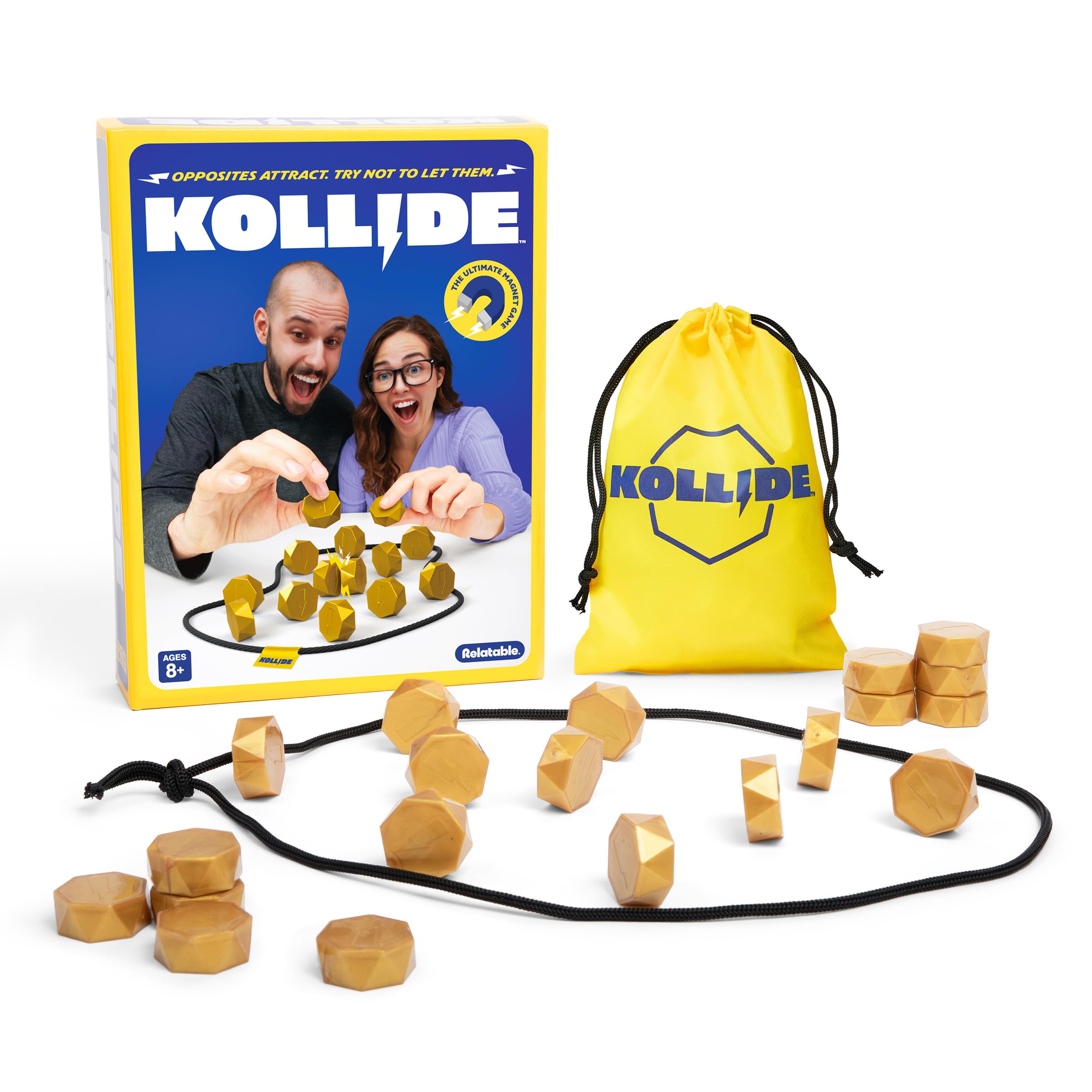
- Uses one rope and 20 magnets.
- Includes a carrying bag and instructions.
- Suitable for ages 8 and up.
Best For: Families with players ages 8 and up seeking a small-group magnetic game for travel or game night.
SmartGames Three Little Piggies Deluxe
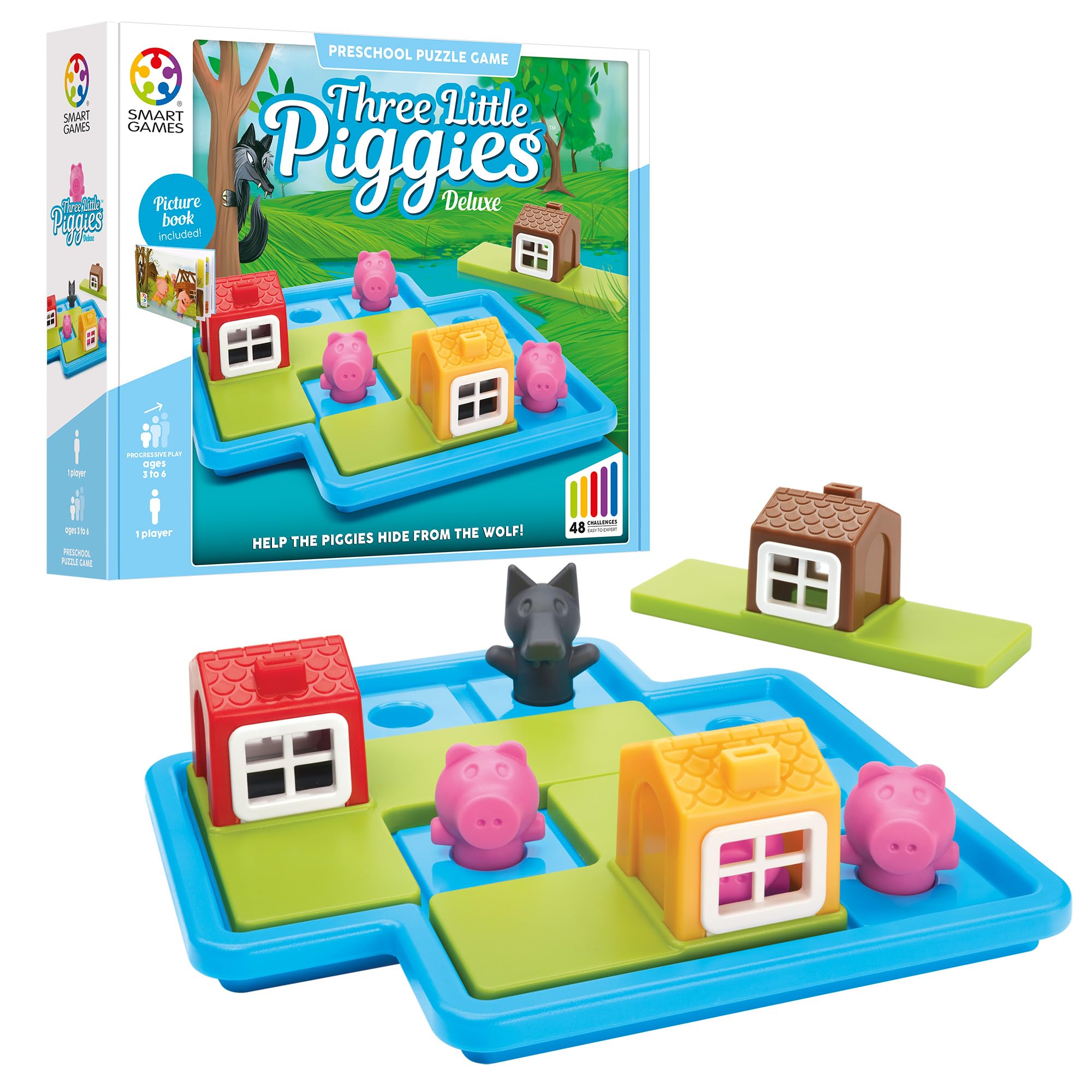
- Includes 48 progressive challenges and two play modes.
- The wordless storybook supports play before children can read.
- Designed for ages 3–6 with oversized pieces.
Best For: Children ages 3–6 who enjoy fairy-tale play and gradually harder solo puzzles.
hand2mind Numberblocks Race to Pattern Palace!
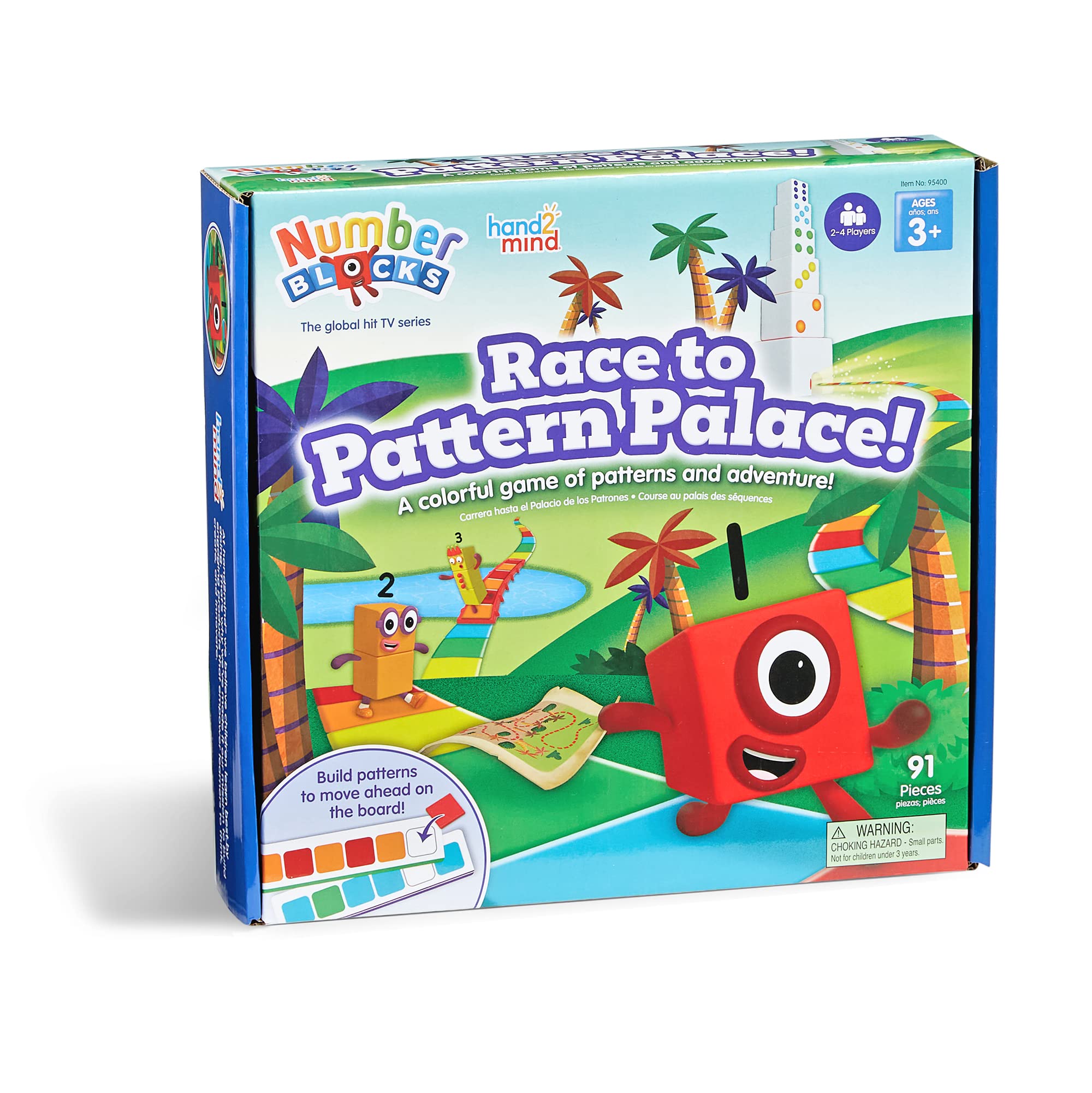
- Designed for ages 3 and up and 2–4 players.
- Includes introductory and challenge card decks.
- Promotes pattern and color recognition and counting.
Best For: Numberblocks fans ages 3 and up who want a patterning game for two to four players.
Continent Race Geography Board Game
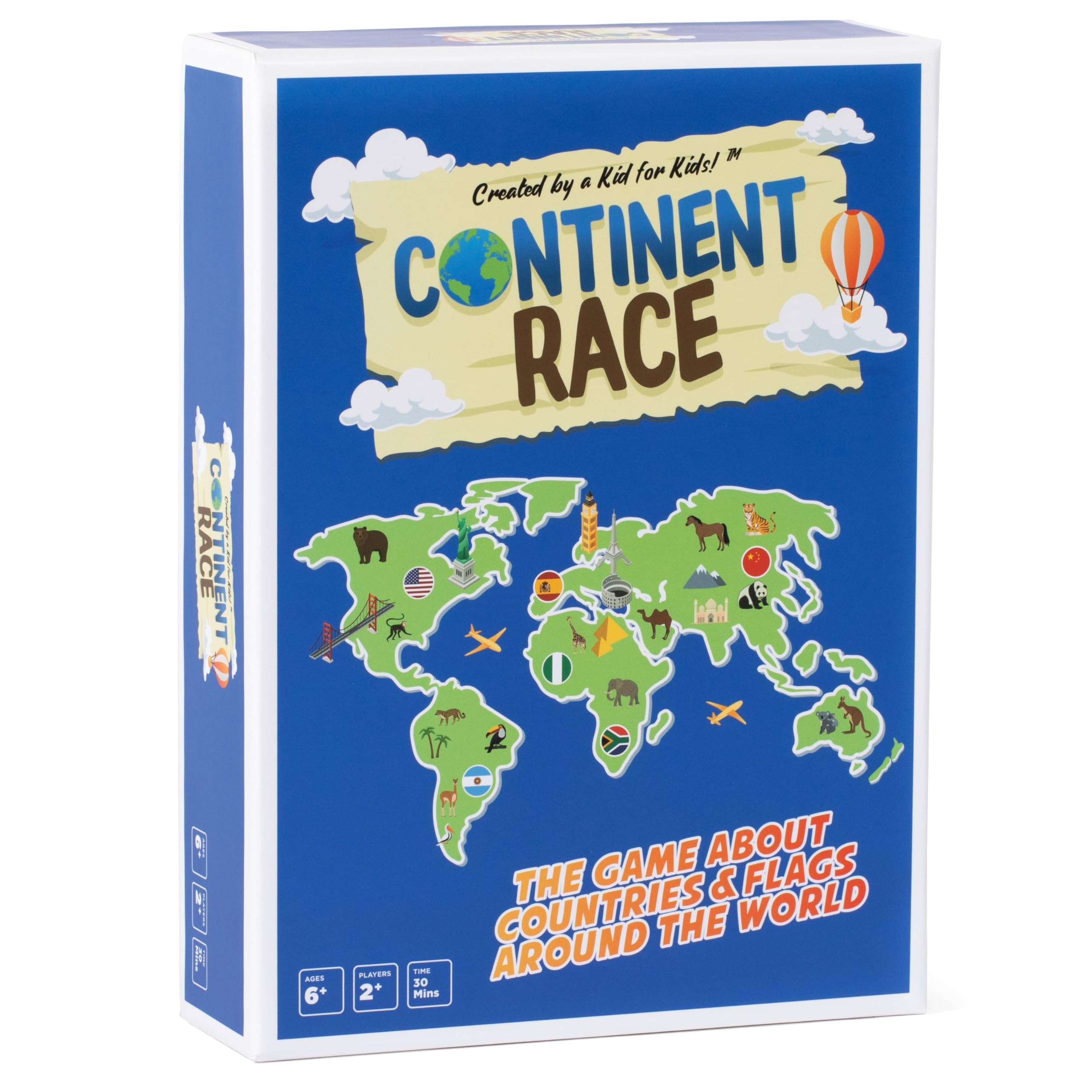
- Covers continents, countries, and flags.
- Includes cards, continent maps, and rules.
- The age guidance is 6 and up.
Best For: Children ages 6 and up and families who want to explore continents, countries, and flags together.
Rich Dad CASHFLOW Board Game
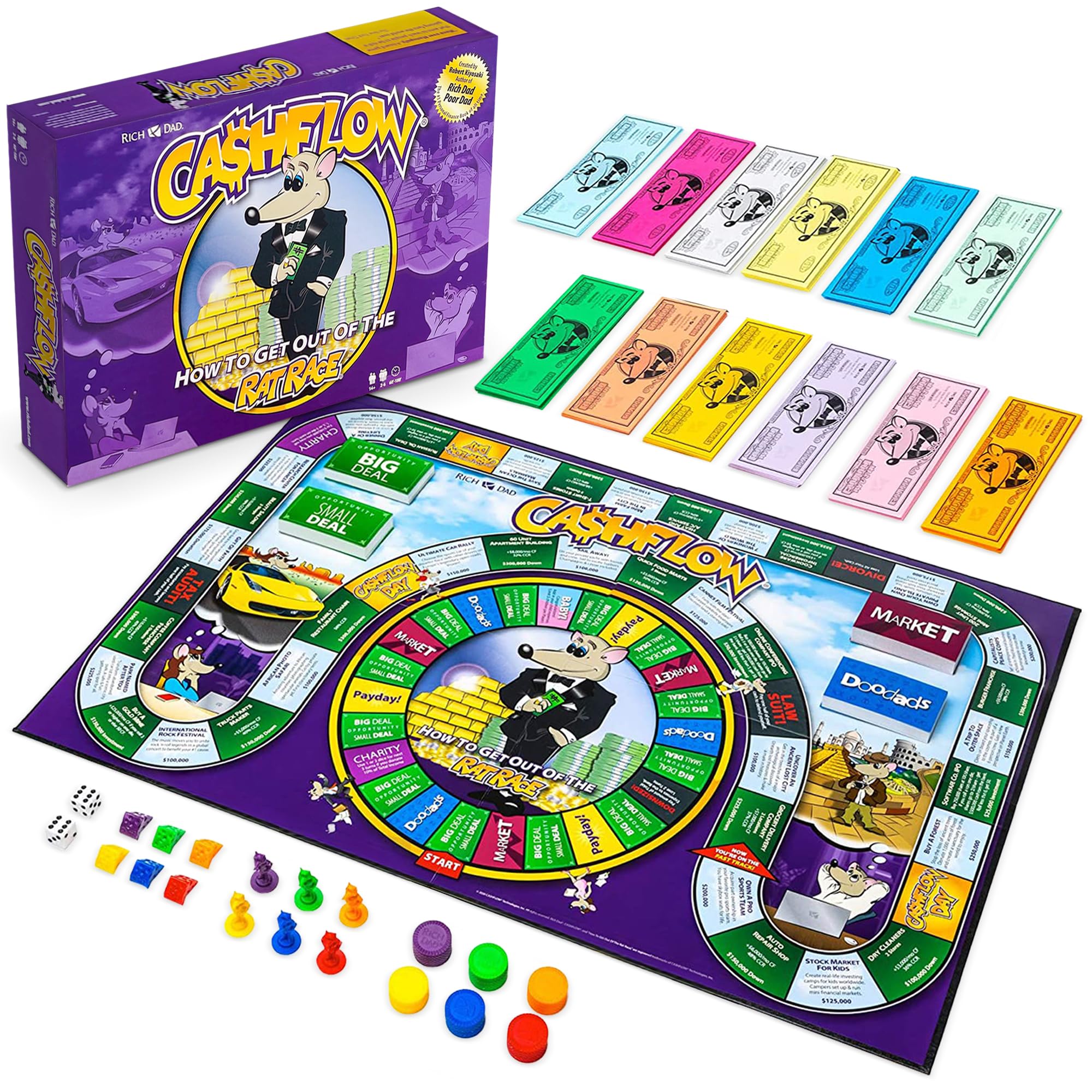
- Designed for up to six players ages 14 and up.
- Covers investing, real estate, and business building.
- Requires basic math skills to start a session.
Best For: Families with players age 14 and up who want a collaborative introduction to investing and business topics.
WE Games Wooden Cribbage Board Game Set
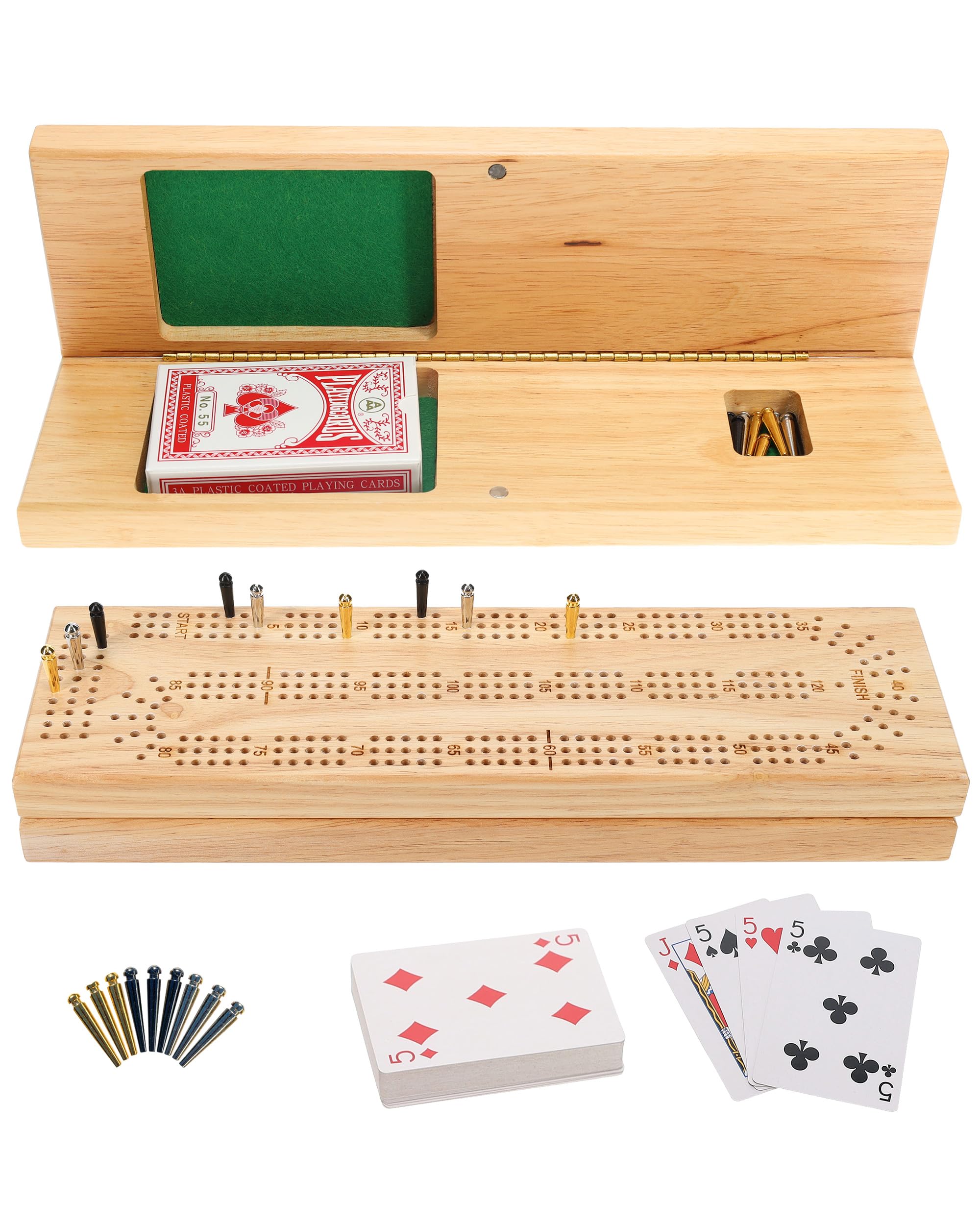
- Designed for 2–3 players with a three-track board.
- Includes a deck of cards and nine metal pegs.
- The board measures 12 × 3.5 × 1.5 inches and closes magnetically.
Best For: Two or three players who want a traditional scoring board with card storage for travel.
Preschool Fine Motor Play
Educational Insights The Sneaky, Snacky Squirrel Game - Toddler Board Games for 3 Year Olds, Fine Motor Skills Toys for Toddlers, Color Matching Preschool Games, Tweezer Tool Fine Motor Game
The Sneaky, Snacky Squirrel Game gives preschoolers a clear turn-by-turn goal: spin, pick up the matching acorn with the squirrel squeezer, and watch for a windstorm or an opponent to change the plan. It is designed for 2–4 players ages 3 and up, with color matching and simple strategy built into play.
The tree-shaped board doubles as the box, and the set includes 20 acorns, four logs, a spinner, and a guide. It suits families looking for an early game that combines table play with dexterity practice.
The small pieces call for an adult to consider the players’ ages and handling habits.
Best For: Preschoolers who enjoy color matching, simple turns, and hands-on play.
| Pros | Cons |
|---|---|
|
|
Choose this for young children who are ready to take turns and handle small game pieces, with an adult nearby as needed. Its spinner and matching objective keep the rules concrete, while windstorms and opponents add a little unpredictability.
The game focuses on colors and fine motor play rather than a longer story or a broad range of difficulty levels. Check that the 3-and-up age guidance and 2–4 player format fit your household.
Early Addition and Subtraction
Learning Resources Sum Swamp Game Addition & Subtraction Board Game - Educational Homeschool, Elementary Math Classroom Must Haves, Kindergarten, Gifts for Kids, Numbers for Boys and Girls
Sum Swamp turns addition and subtraction practice into a swamp-themed race, with colorful creature pieces moving across a sturdy board. The product is aimed at kindergarten and first-grade students and introduces addition, subtraction, and even and odd numbers.
That makes it a practical fit for families who want a math activity that still feels like a shared game. The notes call the sessions quick, but do not give an exact duration or player count.
It is more focused on early arithmetic than open-ended strategy, so consider the child’s current comfort with basic sums when choosing it.
Best For: Kindergarten and early elementary players who want math practice inside a board game.
| Pros | Cons |
|---|---|
|
|
This is a good match when math practice is the main goal and players are working on early addition or subtraction. It introduces even and odd numbers as well, giving the game more than one arithmetic focus.
The notes point to quick sessions but do not establish an exact play time or group size, so check those details if you need a game for a particular class or family gathering. Choose it for educational board game time rather than a general strategy challenge.
Single-Sitting Mystery
Hunt A Killer: Body On The Boardwalk, Catch the Amusement Park Killer, Interactive Unsolved Mysteries Game, Mystery Box for Game Night, Murder Mysteries Card, Puzzle & Board Games, For Ages 14 and up
Body On The Boardwalk is an investigation game built around the death of a seaside amusement park employee and the secrets surrounding the case. It is designed for 1–5 players ages 14 and up, with a stated playing time of 45–60 minutes.
The single-sitting format makes it easier to fit into a date night or family gathering than a campaign that needs repeated sessions. Its murder mystery theme suits older players who want to examine clues and discuss the case together.
The age guidance and subject matter make it a poor fit for younger children or a light preschool game night.
Best For: Teens and adults who want a cooperative murder mystery for a game night or gathering.
| Pros | Cons |
|---|---|
|
|
Choose this when your group wants a story-driven case to discuss and solve in one session. Its 1–5 player range also accommodates solo play, unlike games that require a family-sized group.
The stated 45–60 minute duration helps with planning, though the notes do not detail clue difficulty or whether the case can be replayed. Check that everyone is comfortable with a murder mystery theme and the age 14+ guidance.
Solo or Head-to-Head Logic
The Happy Puzzle Company The Genius Star | Toy of The Year Award Winning Family Board Game | 165,888 Possible Puzzles | Filling in Colored Shapes | Blockers to Complete A Star | Golden Star Twist
The Genius Star is a compact logic challenge with a star-shaped board, Tetris-style pieces, dice, and blockers. Players fill the board to complete a star, either solo or head-to-head, with 165,888 possible puzzles described in the product title.
The format works for a child who enjoys independent problem solving as well as for two players who want a timed-feeling race, though a specific play duration is not given. It is a puzzle-first option rather than a conversation-heavy family game.
The set includes two boards, 26 pieces, seven dice, and instructions, and the recommended age is 8+.
Best For: Players ages 8 and up who like spatial puzzles alone or in a two-player race.
| Pros | Cons |
|---|---|
|
|
Pick this for a child or adult who prefers spatial reasoning challenges to a shared narrative or trivia format. Solo and head-to-head modes make it flexible for different occasions, and the many puzzle setups give it a repeatable challenge structure.
The 8+ age guidance is an important fit check, especially if younger siblings will join. Since no round length is given, consider whether your players prefer a short puzzle or a longer table game.
Portable Magnetic Party Game
Kollide by Relatable - Influencer Choice Award 2025 Winner, Exciting Magnetic Game for Family Game Night, Fun Games for Kids - Includes 1 Rope, 20 Magnets, and Instructions
Kollide is a magnetic strategy game that uses a rope and magnets rather than a conventional board. It is intended for ages 8 and up and is presented for family game night, camping, and road trips.
The box includes one rope, 20 magnets, a carrying bag, and instructions, giving it a straightforward set of components to pack for play away from home. The notes mention two-player games elsewhere in the brand’s range, but do not state Kollide’s exact player count.
Check that detail if you are choosing specifically for a group. It is a better fit for tactile, quick-turn play than a large game with a story or learning curriculum.
Best For: Families with players ages 8 and up seeking a small-group magnetic game for travel or game night.
| Pros | Cons |
|---|---|
|
|
Choose Kollide if your family wants a portable, hands-on option for a campsite or road trip. It includes 1 rope, 20 magnets, a carrying bag, and instructions.
A player count and round length are not specified, so check whether the group format works for your plans. It is approved for ages 8 and up, which helps distinguish it from the preschool options in this roundup.
Story-Based Preschool Logic
SmartGames Three Little Piggies Deluxe — Award-Winning Preschool Logic Puzzle with Storybook | 48 Challenges, 2 Play Modes | Builds Spatial Reasoning & Logic | Ages 3–6
Three Little Piggies Deluxe combines a wordless storybook with a board-based logic puzzle for children ages 3–6. Its 48 challenges use two modes: daytime arrangements put the pigs outside, while nighttime puzzles ask players to cover them so they hide from the wolf.
The three oversized pieces are intended to be easy for young hands to grip, and the storybook does not require reading. That makes it suitable for a child who is not yet reading but is ready to solve visual placement problems.
This is a puzzle activity rather than a conventional group game, and the notes do not specify a multiplayer format.
Best For: Children ages 3–6 who enjoy fairy-tale play and gradually harder solo puzzles.
| Pros | Cons |
|---|---|
|
|
Choose this for a young child who likes story themes and can work through visual puzzles, including before independent reading. The two modes provide a change in objective, and the oversized pieces are aimed at small hands.
The notes describe the activity as a first logic game but do not state a group format, so plan on it as an individual puzzle unless you confirm otherwise. It differs from the other preschool games here by emphasizing placement challenges over matching or racing.
Pattern Recognition for Preschoolers
hand2mind Numberblocks Race to Pattern Palace! Board Game, Educational Board Games, Numbers for Toddlers, Math Toys for Kids 3-5, Preschool Learning Activities, Birthday Gifts for Kids
Race to Pattern Palace turns colored patterns into a board game for children ages 3 and up. Players move Numberblocks One through Four around the board and use colored tiles to copy or extend patterns shown on cards.
Two card levels give the game an introductory deck and a more advanced challenge deck, while the 2–4 player format suits a small family or classroom group. The set also includes a dice popper, bridges, tiles, and Six’s Tricks cards.
It focuses on pattern and color recognition with counting, so it fits early learning better than a broad strategy or party game.
Best For: Numberblocks fans ages 3 and up who want a patterning game for two to four players.
| Pros | Cons |
|---|---|
|
|
Pick this when pattern recognition is a more useful learning goal than arithmetic or fine motor practice. The two levels help caregivers adjust play, and the 2–4 player range supports a small group.
It is also a natural fit for children familiar with Numberblocks, though the game can be considered on its pattern mechanics alone. Check whether the included pattern challenge level suits the child; a time estimate is not provided.
Geography and World Flags
Continent Race Geography Educational Board Game for Kids, Tweens, Family, Friends, Teachers and Classrooms - Learn About Flags & Countries Around The World
Continent Race is a geography learning game focused on continents, countries, and flags. The product details identify cards, continent maps, and rules as the included components, and give an age range of 6 and up.
Its topic makes it a useful fit for family or classroom play where the goal is to prompt discussion about the world, rather than practice arithmetic or solve a spatial puzzle. The records do not state a player count or play time, so check those details if you need a particular group size or a short activity.
It offers an educational subject area distinct from the preschool skill games in this roundup.
Best For: Children ages 6 and up and families who want to explore continents, countries, and flags together.
| Pros | Cons |
|---|---|
|
|
Choose this when geography is the subject you want to bring to family game time or a classroom activity. The combination of cards and continent maps points to a more focused learning experience than a general race or matching game.
The age guidance starts at 6, and the notes do not indicate the player count or session length, so verify those details for a planned group. It is not a substitute for a broad selection of party or strategy mechanics; its appeal is the world geography topic.
Family Finance Learning
Rich Dad CASHFLOW Board Game, Educational Business & Finance Literacy Game, Ages 14 & Up - Financial Learning Games for Kids, Teens, Adults and Family
CASHFLOW is a finance-focused board game for players ages 14 and up. It brings investing, money saving, real estate, and business building into a collaborative family experience, and the notes say starting a session requires only basic math skills.
The game supports up to six players and has a listed box size of 11 × 3 × 15 inches. Extra paper is recommended, a practical detail to prepare before play.
This title suits older teens and adults who want money-related topics as the center of game night; it is less appropriate for households seeking a quick game for young children.
Best For: Families with players age 14 and up who want a collaborative introduction to investing and business topics.
| Pros | Cons |
|---|---|
|
|
Choose CASHFLOW for an older family group that wants investing and business concepts to drive the game. It accommodates up to six players and asks for only basic math skills at setup, but the age guidance makes it a different choice from the early learning games here.
Keep extra paper available as recommended. The notes do not give a play duration, so consider that before planning it as a short activity.
Travel Cribbage Set
WE Games Wooden Cribbage Board Game Set, Continuous 3 Track for 2-3 Players, Travel Cribbage Board with Card Storage, Includes 9 Metal Pegs & Deck of Cards, Card Games, Classic Board Games for Adults
This cribbage set combines a folding wooden scoring board with storage grooves for the included cards and pegs. The 3-track continuous board is designed for 2–3 players, and the set includes a deck of cards, nine metal pegs, and instructions.
Its 12 × 3.5 × 1.5-inch size and magnetic closure make it suited to travel and compact storage. The board can also be used for scoring dominoes, according to the product notes.
This is a traditional game set for players ready to use cards and pegging, rather than a simple preschool activity with matching pieces.
Best For: Two or three players who want a traditional scoring board with card storage for travel.
| Pros | Cons |
|---|---|
|
|
Choose this if your group already enjoys cribbage or wants a compact traditional card-and-scoring game. The folding board, magnetic closure, and internal storage suit travel, while the 2–3 player format is more limited than a family party game.
It can also track dominoes scores, but the included cards and pegs are specifically for cribbage. Check that your intended group size and familiarity with card play fit this set.
How to Choose Board Games
How We Picked the Best Board Games
This selection focuses on complete games with a clear audience and a distinct reason to choose them. It includes early learning games for preschoolers, math and geography activities for school-age children, puzzles for solo or two-player play, classic travel sets, and a mystery or finance game for older groups.
Accessories and replacement pieces are excluded because they do not provide a complete game. When several candidates served nearly the same use, the picks favor variety in age range and play style.
Start with the players rather than the theme. A preschool game such as Sneaky, Snacky Squirrel or Numberblocks Race to Pattern Palace uses matching, patterning, and simple turns.
Sum Swamp aims at early arithmetic, while Continent Race gives geography a central role. For older players, CASHFLOW explores finance and Body On The Boardwalk offers a single-sitting mystery.
The Genius Star and Three Little Piggies Deluxe fit players who prefer visual logic challenges.
Comparing Board Games by Group and Play Style
Player count and format help narrow the options quickly. Body On The Boardwalk supports 1–5 players and gives a 45–60 minute duration; CASHFLOW is a six-player learning game; and Numberblocks is designed for 2–4 players.
Other candidates do not provide a player count in the available details, so confirm it if you need to accommodate a specific group. The cribbage set targets 2–3 players, and The Genius Star can be played solo or against a friend.
The games also vary in how much adult guidance or prior knowledge they may need. Preschool titles use spinners, cards, matching, and tangible pieces.
The educational subject games build arithmetic, patterns, geography, or finance into play. Classic cribbage asks players to use cards and a scoring track, while the mystery title invites discussion around an investigation.
Choose based on whether your family wants a short learning activity, a focused puzzle, or a game that can anchor a whole evening.
| Product | Standout features | Best for |
|---|---|---|
| Educational Insights The Sneaky, Snacky Squirrel GameCheck Price |
| Preschoolers who enjoy color matching, simple turns, and hands-on play. |
| Learning Resources Sum Swamp GameCheck Price |
| Kindergarten and early elementary players who want math practice inside a board game. |
| Hunt A Killer: Body On The BoardwalkCheck Price |
| Teens and adults who want a cooperative murder mystery for a game night or gathering. |
| The Happy Puzzle Company The Genius StarCheck Price |
| Players ages 8 and up who like spatial puzzles alone or in a two-player race. |
| Kollide by RelatableCheck Price |
| Families with players ages 8 and up seeking a small-group magnetic game for travel or game night. |
| SmartGames Three Little Piggies DeluxeCheck Price |
| Children ages 3–6 who enjoy fairy-tale play and gradually harder solo puzzles. |
| hand2mind Numberblocks Race to Pattern Palace!Check Price |
| Numberblocks fans ages 3 and up who want a patterning game for two to four players. |
| Continent Race Geography Board GameCheck Price |
| Children ages 6 and up and families who want to explore continents, countries, and flags together. |
| Rich Dad CASHFLOW Board GameCheck Price |
| Families with players age 14 and up who want a collaborative introduction to investing and business topics. |
| WE Games Wooden Cribbage Board Game SetCheck Price |
| Two or three players who want a traditional scoring board with card storage for travel. |
Choosing Educational Board Games for Kids
For younger children, age guidance is a starting point. Three Little Piggies Deluxe is aimed at ages 3–6 and pairs its puzzles with a wordless storybook.
Numberblocks Race to Pattern Palace is for ages 3 and up and has introductory and challenge card levels. Sneaky, Snacky Squirrel is for ages 3 and up with a 2–4 player setup.
Check that the child can manage the included pieces and follow the turn-taking or matching rules.
For classroom or homeschool use, identify the skill the game actually practices. Sum Swamp centers addition, subtraction, and even and odd numbers.
Continent Race focuses on continents, countries, and flags. The Numberblocks game centers on patterns, color recognition, and counting.
These differences matter more than a general educational label: select the game that complements the lesson or skill the child is ready to practice.
Matching Game Length and Portability to Your Plans
If you need a defined time window, Body On The Boardwalk is the only selected title with a stated duration, at 45–60 minutes. CASHFLOW recommends extra paper and does not provide a play time, while several children’s games are described as quick without a precise session length.
For an outing, the cribbage board folds shut, holds its cards and pegs, and measures 12 × 3.5 × 1.5 inches. Kollide comes with a carrying bag and uses rope and magnets, but its player count and play duration are not provided.
A classic tabletop game can also be chosen for its components and surface space. The cribbage set has internal storage; the other wooden sets considered were not selected because of overlap or incomplete fit.
If storage matters, look at whether pieces are kept with the board and whether a bag or box is included. For a home game night, a large or story-driven setup may suit the table better than a compact travel set.
Who Should Buy Which Board Game?
Choose Sneaky, Snacky Squirrel or Numberblocks for preschool game time, depending on whether color matching and fine motor handling or pattern making is the priority. Sum Swamp suits early arithmetic, while Continent Race is the geography choice for school-age children.
The Three Little Piggies Deluxe is for a younger player drawn to story-based spatial puzzles, and The Genius Star is a stronger fit for ages 8 and up who like solo or head-to-head logic.
For teens and adults, Body On The Boardwalk offers a contained mystery session, while CASHFLOW makes finance the focus for an older family group. Choose the cribbage set for a small group that wants a traditional card game and portable scoring board.
These are different kinds of best board games: checking the age, player count, subject, and format first will make the choice clearer.